



Crawler Mounted Drill Rig: High-Torque, Fuel-Saving, Durable
What Contractors Really Want From a Crawler Mounted Drill Rig in 2025
If you spend time on job sites (I do, whenever I can), you’ll hear the same wish list: dependable torque, honest fuel/air efficiency, and a rig that threads its way where trucks can’t. That’s why the modern Crawler Mounted Drill Rig category keeps evolving—smaller footprints, cleaner power, smarter hydraulics. And, interestingly, the market is embracing specialized rigs for tight headings and gassy mines that still play nicely with crawler platforms when needed.
A quick industry pulse
Trends I’m seeing (and hearing from fleet managers): hybrid or low-emission diesel power packs, ATEX/IECEx options underground, telematics that actually help (not just another password), and modular designs. In fact, many contractors pair a nimble Crawler Mounted Drill Rig for surface access with a compact, frame-supported pneumatic rig for confined drifts. Different tools, same crew.
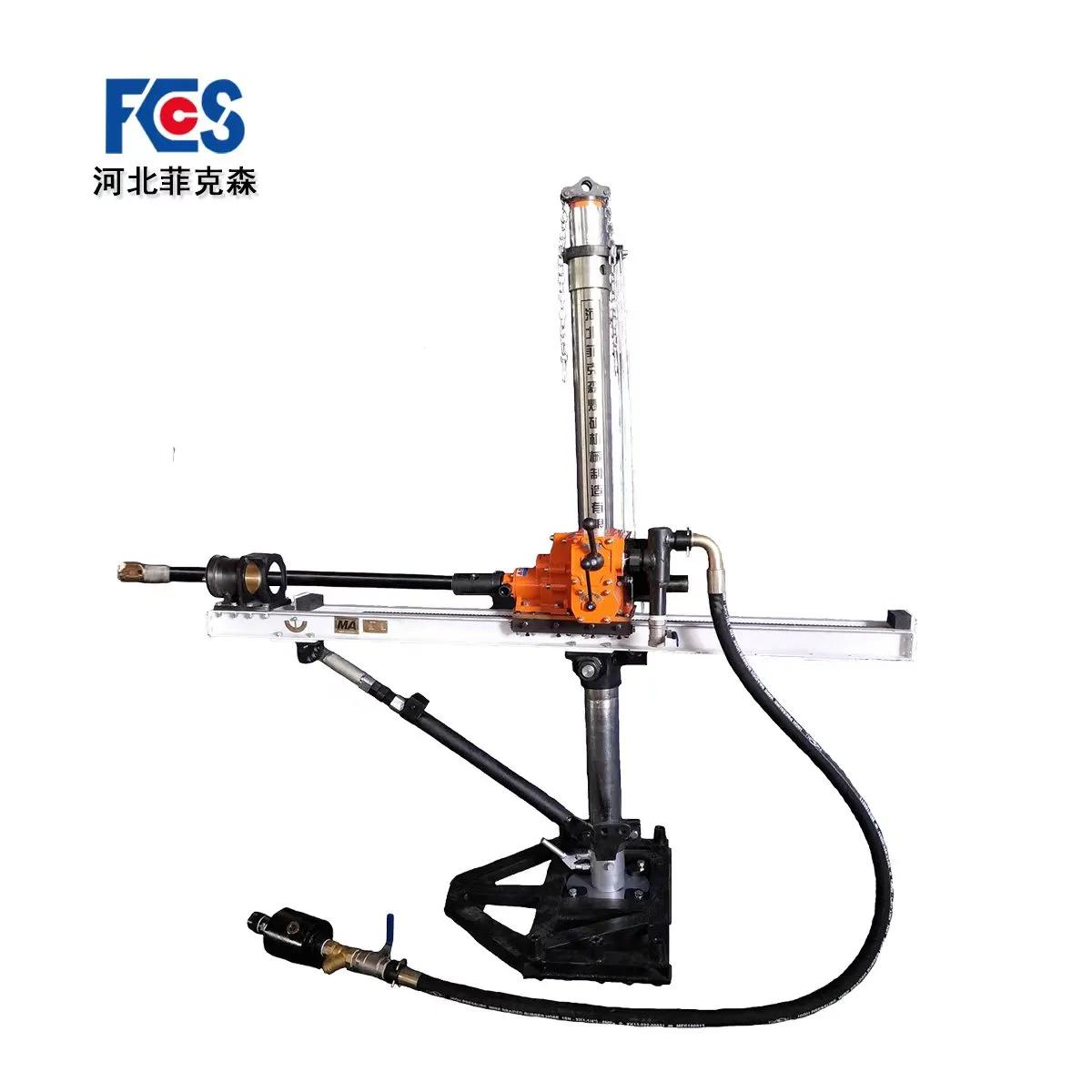
Spotlight: Drill For Confined Spaces (Shijiazhuang, Hebei)
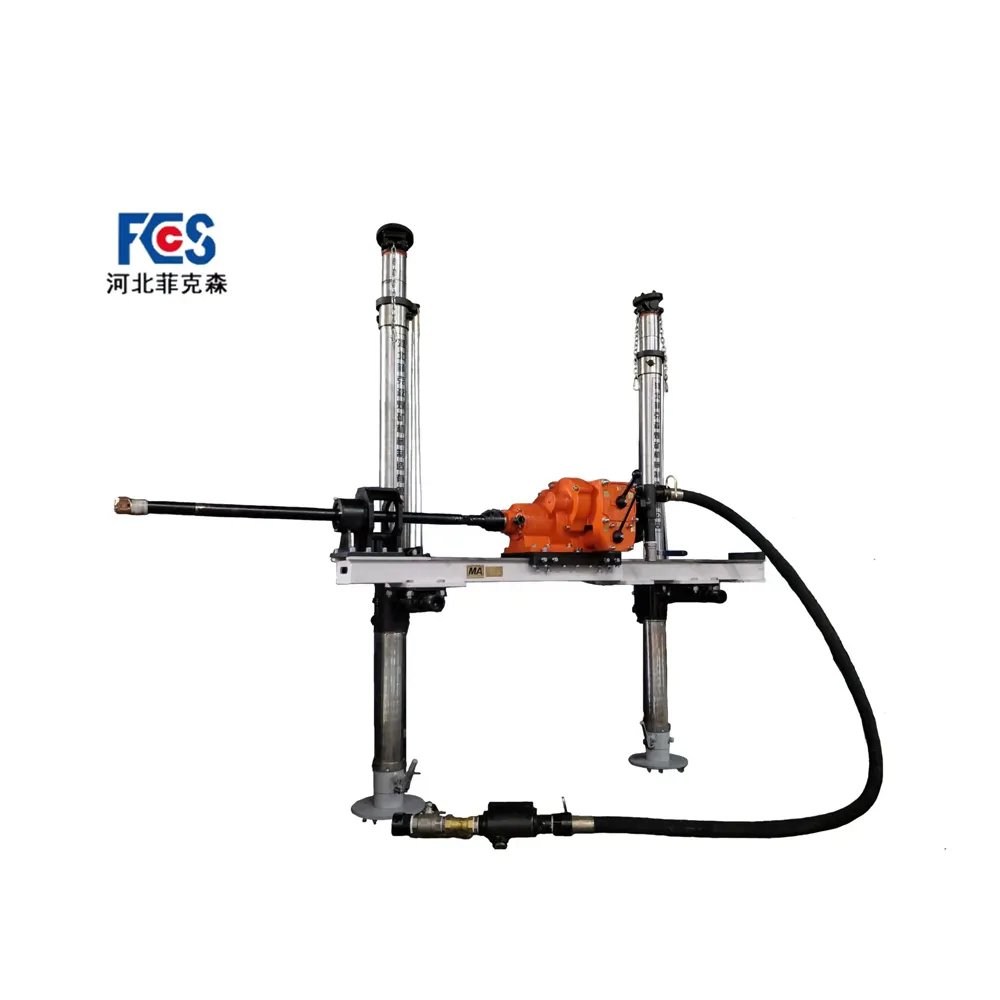
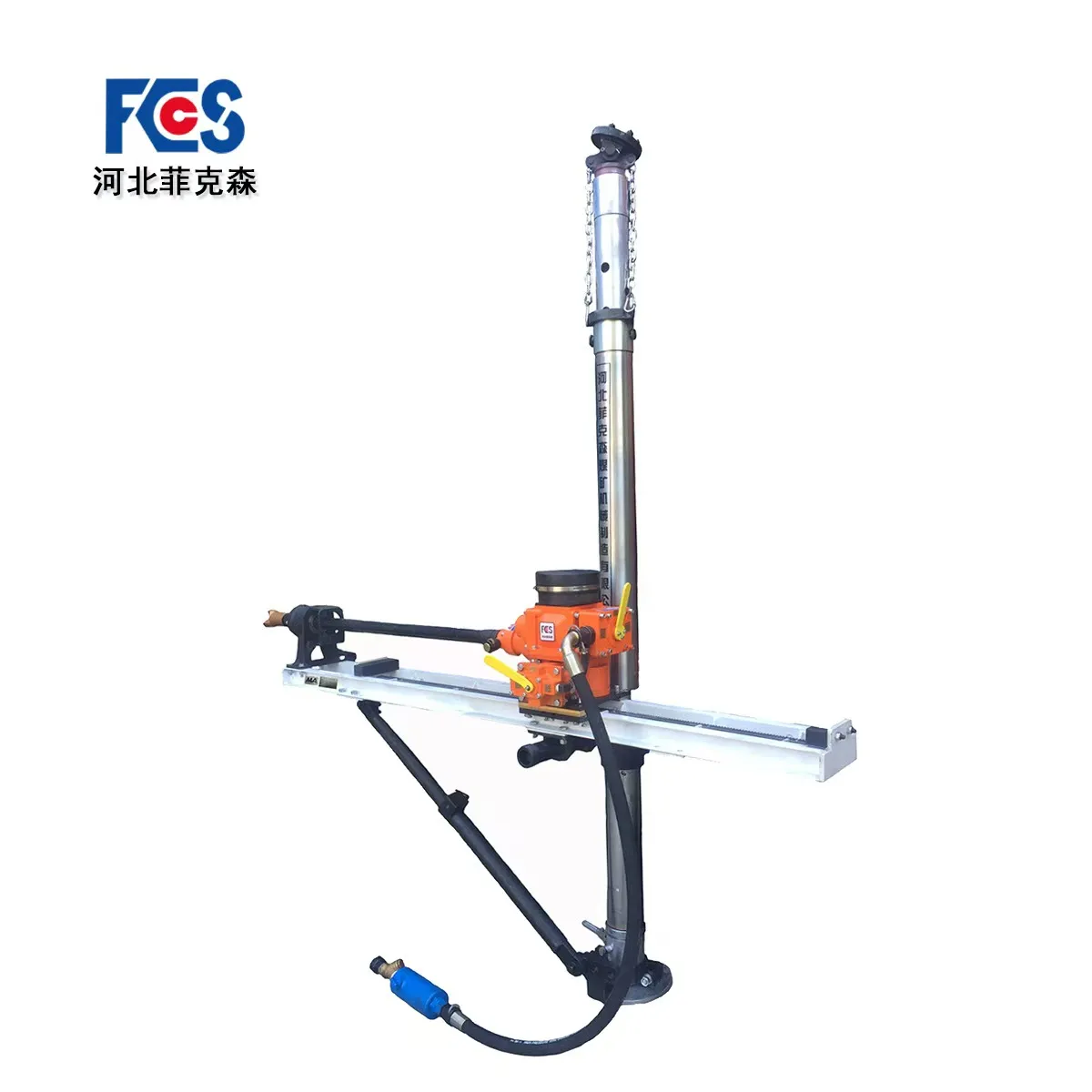
Built in the Shijiazhuang High-tech Industrial Development Zone, the “Drill For Confined Spaces” is a pneumatic, frame-supported rig (model 307/2000). It uses compressed air as the prime mover and relies on a column frame to carry weight, counter-torque, and vibration. It’s aimed at water exploration/injection, pressure relief, and angled geo-exploration in mines where a full-sized Crawler Mounted Drill Rig simply can’t fit. The design—quirky in a good way—grew out of detailed underground studies, which, to be honest, is where many rigs stumble.
Indicative specifications (real‑world use may vary)
| Model | 307/2000 (pneumatic frame-supported) |
| Power source | Compressed air ≈ 0.5–0.8 MPa |
| Typical hole diameter | Ø 50–127 mm (bit/formation dependent) |
| Rotary speed | ≈ 120–600 rpm variable |
| Max practical depth | up to ~150 m in favorable geology |
| Mounting | Frame column; can be skidded or paired with compact crawlers |
| Certs (typical) | ISO 9001; CE; ATEX/IECEx options for components |
Process, materials, and testing
Core structure uses high-strength alloy steels (e.g., 42CrMo, Q345B), heat-treated and stress-relieved; wear faces may be nitrided or hard-chrome plated. Hoses and seals are mine-duty. Acceptance includes NDT (UT/MT) on critical welds, vibration checks per ISO 20816-1, sound power sampling per ISO 3744, and functional safety aligned with EN 16228. Air circuits are pressure-tested with ≥4× working pressure margin. Target service life: ≈ 8,000–12,000 hours with routine maintenance.
Where it fits (and shines)
- Underground mines: water infusion, pressure-relief patterns, angled exploration in low headroom.
- Tunnel rehab and cross-passages: when a full Crawler Mounted Drill Rig can’t safely access.
- Urban geotech: shafts and basements with strict ventilation rules (pneumatic is a win).
Field note (case snapshot)
Hebei coal operation, 12° incline, siltstone. With a 76 mm bit at ~0.7 MPa air, crews logged 2.3–2.9 m/min penetration; operator-reported downtime dropped ~18% quarter-over-quarter after switching from a heavier hydraulic unit. Not perfect science, but the trend was obvious.
Vendor snapshot (informal, buyer-focused)
| Vendor | Strengths | Watch-outs |
|---|---|---|
| FCCS Drilling (Shijiazhuang) | Custom pneumatic setups; rapid spares in N. China; price ≈ competitive | Global service still scaling; English docs improving |
| Global Brand A | Broad Crawler Mounted Drill Rig lineup; telematics, dealer reach | Premium pricing; long lead times lately |
| Local Fabricator B | Fast customization; low cost | Docs/certs vary; QC consistency depends on batch |
What buyers are saying
“Easy to stage in cramped headings,” one superintendent told me. Another liked the “honest torque” and parts availability. There were requests for quieter exhaust kits—which, frankly, is common with pneumatic rigs.
If you’re weighing a full-size Crawler Mounted Drill Rig for access plus a compact underground rig for the actual cut, this combo can be cost-positive. My two cents: map your hole plan, ventilation, and service intervals first—then match the platform to the geology, not the other way around.
Authoritative references
- EN 16228: Drilling and foundation equipment — Safety requirements.
- ISO 9001:2015 — Quality management systems — Requirements.
- Directive 2014/34/EU (ATEX) — Equipment for potentially explosive atmospheres.
- ISO 3744:2010 — Acoustics — Determination of sound power levels.
- ISO 20816-1:2016 — Mechanical vibration — Evaluation of machine vibration.