



Pneumatic Drill Rig: High Power, Low Air Use—Ready to Drill?
Field Notes on a Workhorse: the pneumatic drill rig that crews actually like to run
I’ve been around mines and quarries long enough to know: if a machine eats air and still can’t bite into coal or basalt, operators will park it. This new Pneumatic Crawler Drilling Rig Machine from Shijiazhuang High‑tech Industrial Development Zone, Hebei Province, surprised me—mobile, compact, and, to be honest, punchy for its size. It’s built for coal seam drilling, water exploration and release, seam water injection, and pressure-relief holes. A small, flexible driller that behaves like a grown-up.
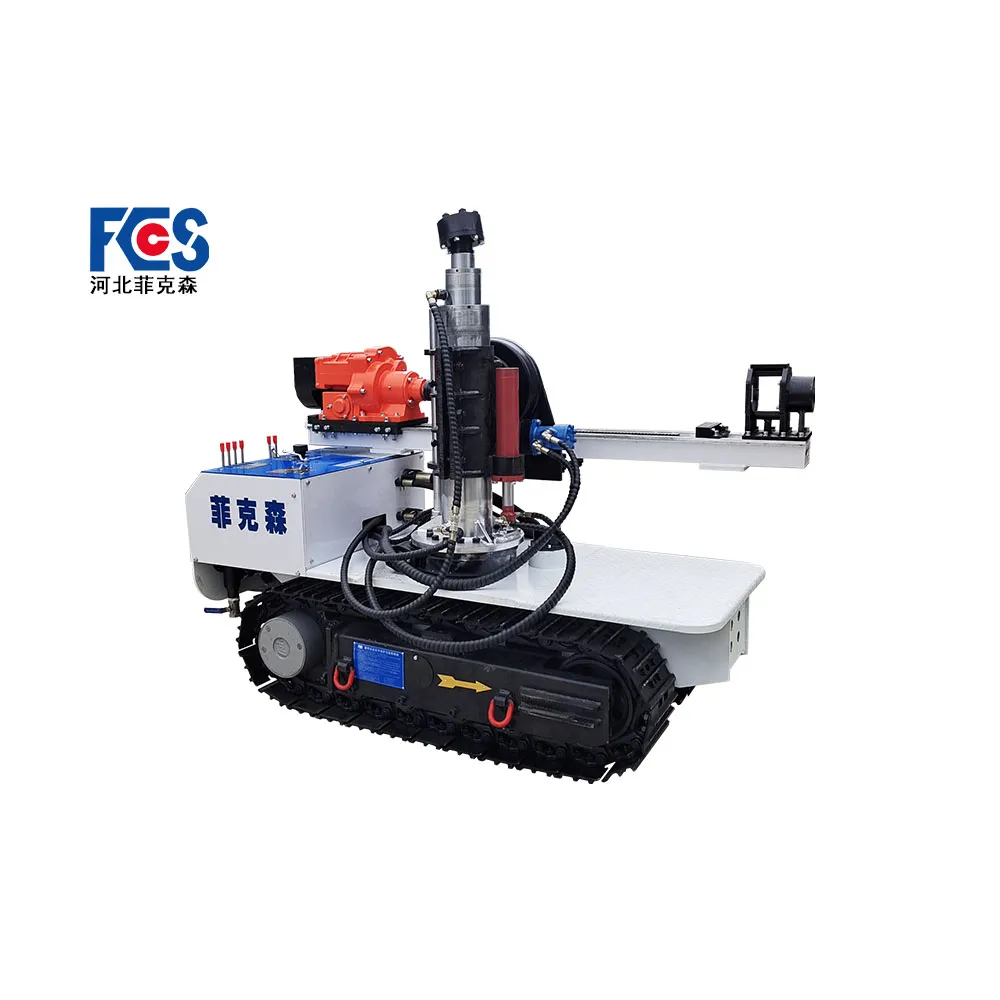
What’s changing in the field
Three quick trends I keep hearing: safer non-electric drives underground, smarter air consumption (compressor fuel is money), and modular rigs you can tailor per geology. The pneumatic drill rig lands right in that sweet spot—simple drive train, fewer ignition risks, and enough hydraulics for feed and tracks without going fully electric.
Typical specs (real-world use may vary)
| Parameter | Typical value | Notes |
|---|---|---|
| Drilling diameter | Ø75–130 mm | Coal seam, water‑relief holes |
| Depth capacity | ≈120 m | Depends on formation/rods |
| Rotation speed | 0–160 rpm | Air motor, adjustable |
| Max torque | ≈1,800 N·m | Stall tested |
| Feed / pullback | 18 kN / 25 kN | Hydraulic feed beam |
| Working air pressure | 0.7–1.7 MPa | Compressor matched |
| Air consumption | ≈10–14 m³/min | Bit/rock dependent |
| Gradeability | ≤25° | Crawler chassis |
| Noise level | ≤95 dB(A) | ISO 3744 test ref. |
Applications I’ve seen it excel in
- Coal seam gas drainage and pre‑drain holes—less downtime, cleaner footage.
- Water exploration/release in fractured zones; steady flushing keeps rods happy.
- Pressure relief holes around longwalls; compact rig sneaks into tight headings.
- Small quarry pre‑split rows and geotech anchors (yes, occasionally off-label).
Many crews say the pneumatic drill rig feels “predictable” on the controls—no laggy throttle. The crawler base keeps things civilized on broken floors.
How it’s built (materials, methods, testing)
Main mast and frame use high‑strength alloy steel (with 42CrMo wear parts). Rotary head gears are CNC‑machined, induction‑hardened, and shot‑peened. Welds undergo UT/MT NDT checks; hydraulic blocks are pressure‑tested to 1.5× working pressure. Factory acceptance tests log penetration rate, stall torque, and air leaks; cleanliness targets sit around ISO 4406 18/16/13 for the oil circuit. Service life? In normal duty, 6–8 years is common; I’ve seen units running longer with seal kits swapped on schedule.
Vendor snapshot (quick comparison)
| Vendor | Air efficiency | Certifications | Lead time | After‑sales |
|---|---|---|---|---|
| FCCS Pneumatic Crawler (Hebei) | High (≈10–14 m³/min) | ISO 9001, MA (coal), CE | 4–8 weeks | Regional + remote |
| Vendor A (import) | Medium | CE, ISO 9001 | 8–12 weeks | Dealer network |
| Vendor B (retrofit) | Variable | Case‑by‑case | 2–6 weeks | Limited |
Note: indicative; site conditions and options can change outcomes.
Customization and compliance
Options include water‑injection kits, dust suppression, rod handlers, and extended mast. Compliance is the unsexy hero: MA mining product safety mark for coal, CE for machinery safety (EN 16228), and documented noise per ISO 3744. For gassy headings, the pneumatic drill rig layout (air drive with hydraulic assist) is a practical compromise many safety managers prefer.
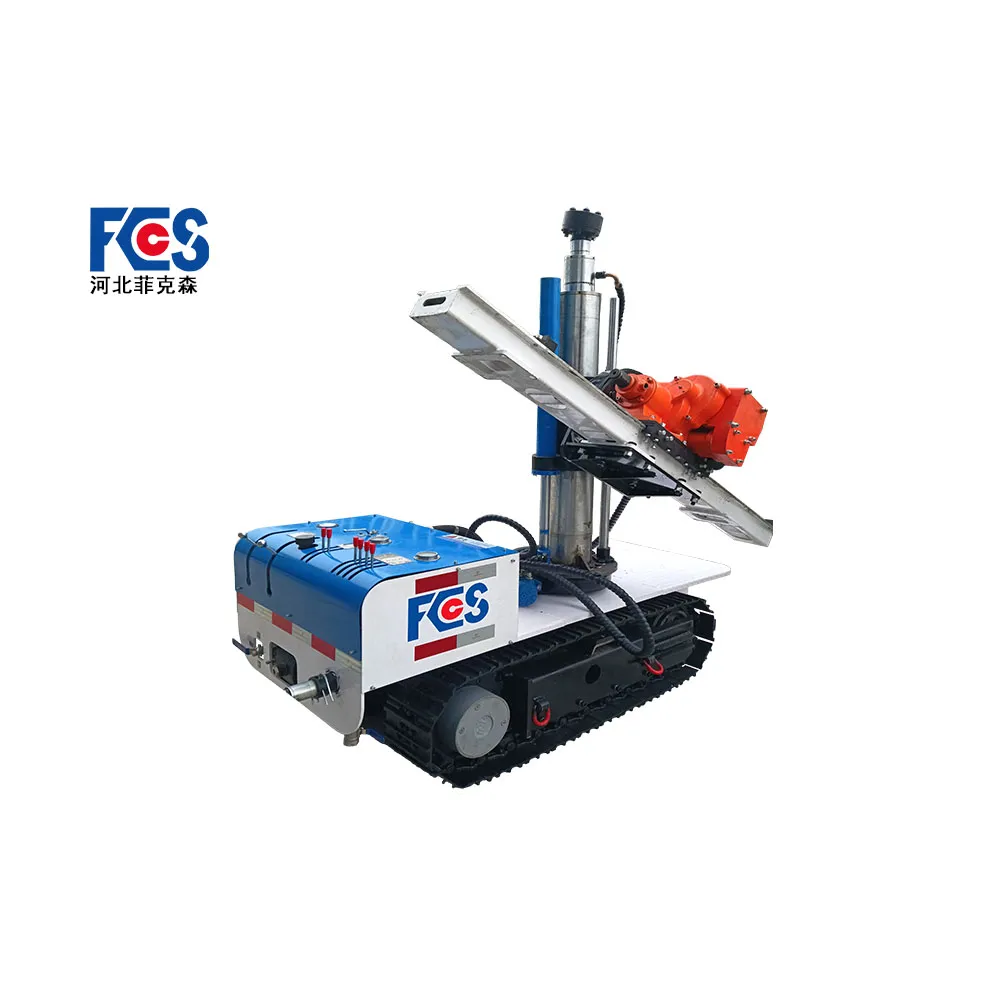
Two quick case notes
Shanxi, China (coal seam drainage): average penetration ≈1.6 m/min in medium coal with sandstone streaks; compressor at 1.2 MPa; operators reported ~12% lower fuel burn on the air end versus their older unit. Downtime mostly for rod changes—nothing dramatic.
South Kalimantan (dewatering holes): water release holes to 90 m; the rig’s compact crawler let them notch around benches safely. Customer feedback was “surprisingly steady torque—less stalling.”
Process flow, end to end
Spec and order → CNC fabrication and heat‑treat → NDT weld checks → assembly (rotary, feed, crawler) → hydraulic flushing to ISO 4406 target → full‑load air test (torque, rpm, leakdown) → documentation pack (CE/MA, manuals) → crate and ship. After 500 hours, a service kit swap keeps the pneumatic drill rig crisp.
Final thought: It’s not the flashiest rig, but it shows up, drills straight, and doesn’t complain. In mining, that’s currency.