



Is This the Safer, Faster Hydraulic Rock Bolting Rig?
Quiet torque underground: my field notes on a modern bolting rig
If you’re weighing up a rock bolting rig this season, you’re not alone. The mines and tunneling folks I talk to want three things: more torque, less noise, and fewer headaches on service. This “Bolter With High Torque And Low Noise,” built in the Shijiazhuang High‑tech Industrial Development Zone, Hebei Province, is the one I’ve seen popping up on bid lists. It pairs a hydraulic propulsion cylinder with an emulsion motor—simple idea, robust execution.
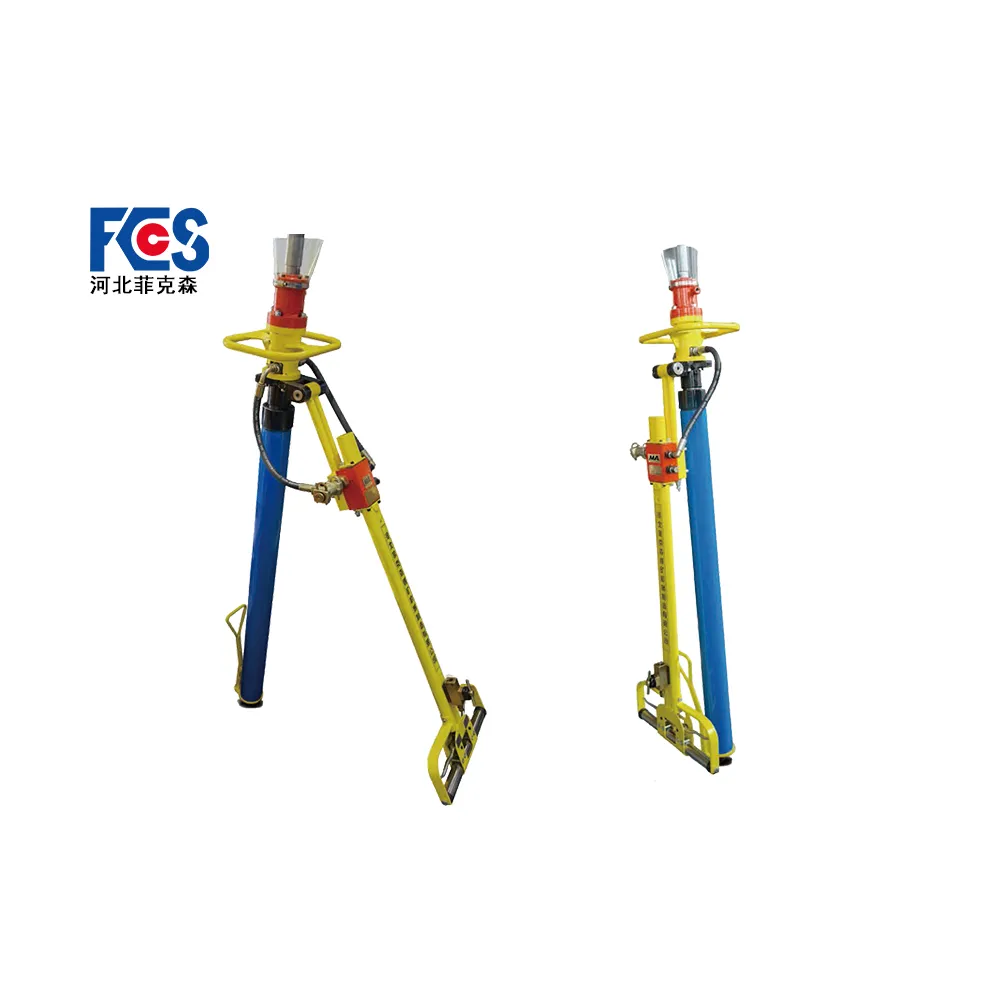
What’s changing in the field
Two trends are clear: acoustics regulations are tightening, and buyers expect higher energy efficiency from hydraulic circuits. In fact, several operators told me they now baseline rigs at ≤85 dB(A) at the operator’s ear, and anything louder has to justify itself with dramatic cycle-time gains. This unit’s low-noise emulsion motor is, frankly, timely.
Quick spec snapshot (real-world use may vary)
| Rated torque | ≈ 1,200–1,600 N·m (low-speed/high-torque mode) |
| Rotation speed | 0–250 rpm, variable |
| Noise at operator | ≤ 83–86 dB(A) per ISO 3744 test field |
| Drilling diameter | Φ 18–42 mm (common bolt holes) |
| Propulsion | Hydraulic cylinder; emulsion motor drive |
| Dimensions/weight | Compact, lightweight (≈ 15–25% lighter than legacy units) |
| Service life | 8,000–12,000 h between major overhauls, with proper fluid care |
Where it fits
Typical jobs: bolt support in coal and hard‑rock mines, roadway rehab, hydropower tunnels, and stope top blasting prep. Operators like that the control layout is familiar—less training time—and the reaction torque is manageable in broken ground. In tighter headings, the small footprint helps more than any brochure can explain.
Process flow and QA (the nuts and bolts)
- Materials: high‑strength alloy steel chassis, abrasion‑resistant hoses, ISO 680‑classified emulsions.
- Methods: hydraulic propulsion cylinder advances; emulsion motor rotates bit; water/emulsion flushing clears cuttings.
- Testing: hydraulic integrity per ISO 4413; noise mapping per ISO 3744; bolt pull tests referencing ASTM F432/ISRM suggested methods.
- Service life: seals/hoses 1,500–2,000 h; motor/cylinder overhauls at 5,000–7,000 h; full frame ≥10,000 h (conditions matter).
- Industries: mining, civil tunneling, metro expansions, underground storage caverns.
Vendor snapshot (my shortlist)
| Vendor | Torque | Noise | Certs (typical) | Lead time | Warranty |
|---|---|---|---|---|---|
| FCCS Drilling (this model) | ≈1.2–1.6 kN·m | 83–86 dB(A) | ISO 9001, CE (requested), noise test report | 4–8 weeks | 12–18 months |
| Competitor A | ≈1.0–1.3 kN·m | 86–90 dB(A) | ISO 9001 | 6–10 weeks | 12 months |
| Competitor B | ≈1.4 kN·m | 85–88 dB(A) | CE, ISO 9001 | 8–12 weeks | 12 months |
Customization (what buyers usually tweak)
- Bit/rod interface (R32, T38, others), bolt length presets, and auto resin‑cartridge sequence.
- Noise package and guarding; explosion‑risk adaptations per ATEX/IECEx guidelines where applicable.
- Telemetry: pressure/temperature logging for predictive maintenance.
Field results (two quick cases)
Case 1 – North China roadway: cycle time cut by ~14% versus an older rock bolting rig; noise logged at 84.1 dB(A). Torque peaks held steady in sheared siltstone. Crew feedback: “less arm‑wrestling.”
Case 2 – SE Asia hydropower tunnel: water‑flush mode helped visibility; average bolt hole deviation under 1.5°. Maintenance chief said weekly hose replacements dropped by about a third after switching fluids and filters.
Why this one
It’s compact, quiet, and, to be honest, more punchy than it looks. For buyers who need a dependable rock bolting rig with strong torque and low fatigue on operators, it’s a sensible shortlist pick—especially if your procurement team values documented noise tests and straightforward hydraulics.
Disclaimers: Specs are indicative; confirm with factory test sheets. Certifications depend on configuration and destination market.
Authoritative citations
- ISO 4413: Hydraulic fluid power — General rules and safety requirements for systems and their components.
- ISO 3744: Acoustics — Determination of sound power levels of noise sources.
- ASTM F432: Standard Specification for Roof and Rock Bolts and Accessories.
- ISRM Suggested Methods for Rock Bolt Testing and Rock Reinforcement.
- EN 16228: Drilling and foundation equipment — Safety requirements.
- ATEX/IECEx Guidelines for equipment used in explosive atmospheres; MSHA permissibility guidance for underground equipment (region dependent).