



High-Performance Pneumatic Crawler Drill | Rock Drilling Rigs
Introduction to Advanced Drilling Solutions
In the demanding world of rock drilling, efficiency, precision, and durability are paramount. Modern infrastructure development, mining operations, and specialized civil engineering projects rely heavily on robust equipment capable of tackling diverse geological formations. Among the most pivotal tools in this sector is the pneumatic crawler drill, a versatile machine engineered for high-performance drilling in various challenging environments. These rigs combine advanced pneumatic power with rugged crawler mobility, offering unparalleled operational flexibility and power for drilling boreholes, anchor holes, and blast holes.
This comprehensive overview delves into the core aspects of these sophisticated drilling systems, covering their manufacturing intricacies, technical capabilities, strategic applications, and the value they bring to contemporary industrial operations.
Industry Trends and Market Dynamics for Pneumatic Drilling Rigs
The global market for drilling equipment, particularly in the B2B sector, is currently experiencing significant evolution driven by several key trends. Demand for powerful and reliable rock drilling solutions continues to grow, fueled by escalating infrastructure investments, a resurgence in mining activities, and increasing exploration efforts across various regions. The market for the pneumatic crawler drill is characterized by a strong emphasis on operational efficiency, reduced environmental impact, and enhanced safety features.
- Automation and Digital Integration: While pneumatic systems are traditionally robust, there's a growing trend towards integrating digital controls and automation for improved precision, remote monitoring, and predictive maintenance. This enhances operational uptime and reduces manual labor risks.
- Sustainability and Energy Efficiency: Regulatory pressures and corporate sustainability goals are pushing manufacturers to develop more energy-efficient models. This includes optimizing air consumption, reducing noise emissions, and exploring hybrid power options, though pneumatic systems remain a cost-effective choice for many applications.
- Demand for Versatility: Projects often require equipment capable of handling diverse terrains and drilling requirements. Modern pneumatic drill rig designs incorporate features allowing for quicker setup, easier maneuverability, and compatibility with various drilling tools, making them highly adaptable.
- Enhanced Safety Standards: Worker safety remains a top priority. Manufacturers are incorporating advanced safety mechanisms, ergonomic designs, and improved visibility features into new models to mitigate on-site risks.
These trends collectively shape the development of next-generation drilling equipment, ensuring that solutions like the pneumatic crawler drill continue to meet the evolving and stringent demands of heavy industries.
Technical Specifications and Core Components
Understanding the technical specifications of a pneumatic crawler drill is crucial for project planning and operational efficiency. These machines are engineered for rugged environments, featuring robust construction and powerful drilling mechanisms. Key components include a heavy-duty crawler chassis for mobility, a powerful air compressor (often external or integrated), a drill boom, a feed system, and a rock drill (percussion unit).
Key Technical Parameters
These parameters ensure that the rig can effectively penetrate various rock types, from soft shales to hard granite, making the pneumatic crawler drill a versatile choice for complex drilling projects.
Manufacturing Process of a Pneumatic Crawler Drill
The production of a high-performance pneumatic crawler drill involves a meticulous process, combining advanced engineering with stringent quality control. Each stage is critical to ensure the final product delivers optimal performance, durability, and safety in harsh operational environments.
Schematic Manufacturing Steps:
- Design and Engineering: Initial conceptualization and detailed CAD/CAM design. Focus on structural integrity, ergonomic operation, and maintainability. Material selection is critical, often involving high-strength alloy steels for structural components and specialized composites for wear parts.
- Material Sourcing & Preparation: Acquisition of certified raw materials. This includes high-grade steel for chassis and drill components, specialized seals, hoses, and pneumatic cylinders. Materials undergo rigorous incoming inspection for chemical composition and mechanical properties.
- Component Fabrication:
- Casting & Forging: Critical stress-bearing parts like the drill hammer casing and certain boom components are cast or forged for superior strength and fatigue resistance. These processes ensure dense grain structures and eliminate internal defects.
- CNC Machining: Precision parts, including cylinders, valves, gearboxes, and drill bit interfaces, are produced using CNC machines. This guarantees tight tolerances and optimal fit, crucial for pneumatic efficiency and operational longevity.
- Welding: Structural elements of the chassis, boom, and feed system are fabricated using advanced welding techniques (e.g., robotic MIG/MAG welding) to ensure robust and consistent joints. All welds are subject to non-destructive testing (NDT).
- Surface Treatment & Coating: Components undergo processes like shot blasting, priming, and multi-layer corrosion-resistant coating. This is vital for extending service life, especially for drills operating in corrosive environments common in mining, petrochemical, and water supply & drainage industries.
- Assembly: Skilled technicians assemble the various modules: crawler chassis, power unit, drill mast, feed system, and control console. Pneumatic and hydraulic lines are meticulously routed and connected.
- Quality Control & Testing: Each completed rig undergoes comprehensive testing. This includes functional tests of all movements, pressure tests of pneumatic circuits, noise and vibration analysis, and performance tests under simulated load conditions. Adherence to international standards like ISO 9001 for quality management and ANSI standards for safety and performance is strictly enforced.
- Final Inspection & Certification: A final inspection ensures all specifications are met, and the machine is ready for deployment. Certification documents confirming compliance with relevant industry standards and safety regulations are prepared.
This rigorous manufacturing process ensures that each pneumatic crawler drill is built to withstand extreme conditions, offering a projected service life of 10-15 years with proper maintenance, significantly contributing to long-term project viability and return on investment.
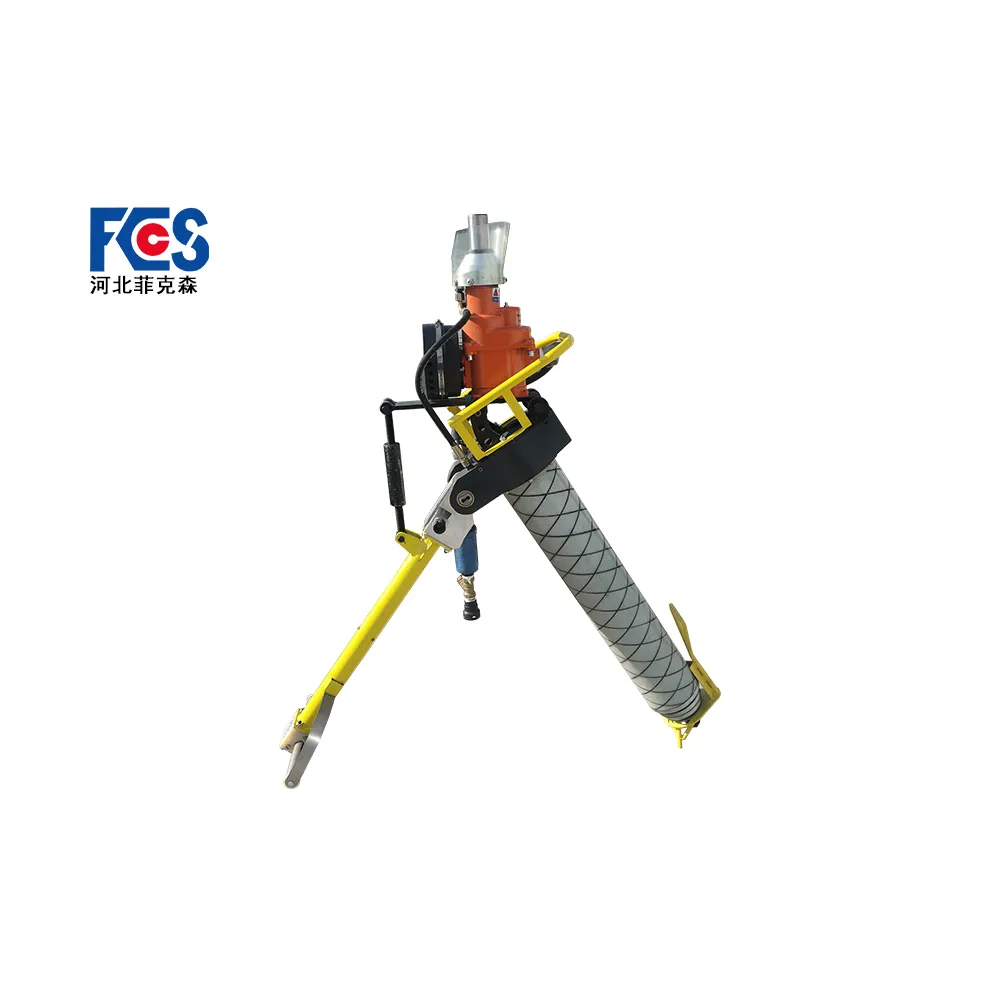
Application Scenarios and Target Industries
The versatility and robustness of the pneumatic crawler drill make it indispensable across a spectrum of heavy industries. Its ability to navigate challenging terrains and deliver consistent drilling power underpins its widespread adoption.
Typical Application Areas:
- Mining & Quarrying: Essential for drilling blast holes in open-pit mines and quarries to extract aggregates, coal, metal ores, and industrial minerals. Their mobility is crucial for moving across varied blasting patterns.
- Civil Engineering & Construction: Used for pre-splitting in road construction, foundation drilling for bridges and buildings, landslide prevention, and anchoring in difficult geological conditions. The ability to drill at various angles is a significant advantage.
- Hydroelectric Power Projects: Critical for drilling tunnels, dam foundations, and preparing areas for power plant construction where precision and rock stability are paramount.
- Geological Exploration: Employed for core drilling and sampling to assess subsurface geology, aiding in resource identification and geotechnical studies.
- Petrochemical & Energy Infrastructure: Used for specialized drilling, such as preparing sites for pipelines or supporting structures in demanding terrains, particularly where flame-proof or intrinsically safe alternatives are needed due to volatile environments.
Advantages in Specific Scenarios:
In mining operations, the high penetration rate of a pneumatic drill rig significantly reduces drilling time, leading to enhanced daily production output. For civil construction, its precise control allows for accurate drilling of anchor bolts and rock reinforcement, ensuring structural integrity and safety. Furthermore, its inherent simplicity compared to hydraulic counterparts often translates to easier maintenance and greater resilience in remote locations, where complex repairs are challenging.
Notably, the energy efficiency of modern pneumatic systems, coupled with robust corrosion resistance from advanced coatings, contributes to lower operational costs and extended equipment lifespan, even in chemically active or abrasive rock conditions.
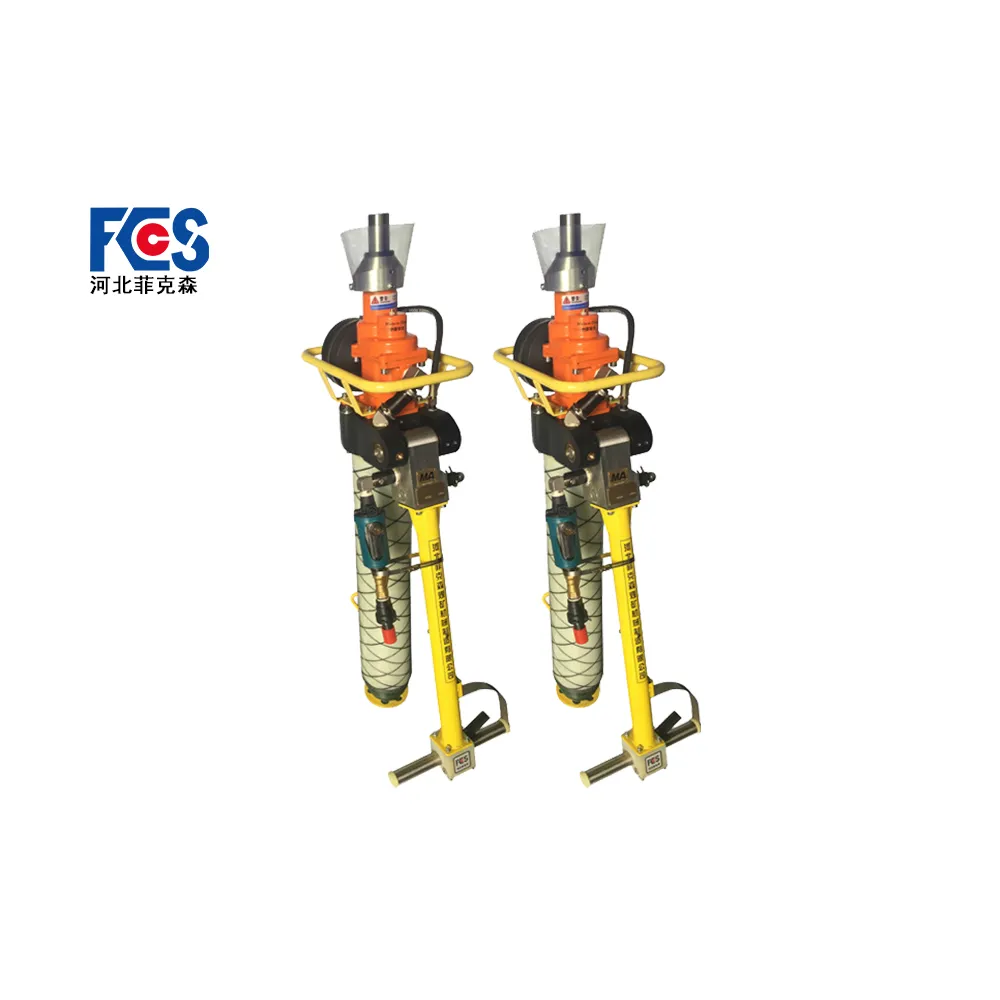
Technical Advantages and Performance Metrics
The enduring appeal of the pneumatic crawler drill lies in its distinct technical advantages, particularly when compared to other drilling technologies. These advantages translate directly into tangible benefits for B2B clients, optimizing project timelines and operational budgets.
- Robustness and Reliability: Pneumatic systems are inherently simpler than hydraulic or electric systems, featuring fewer complex parts. This reduces points of failure, leading to higher uptime and reduced maintenance requirements in harsh, dusty, and remote environments.
- High Power-to-Weight Ratio: Pneumatic percussion drills deliver significant impact energy for their size, providing excellent penetration rates in various rock formations. This efficiency minimizes drilling time per hole.
- Environmental Adaptability: Pneumatic rigs often perform better in extreme temperatures (both hot and cold) compared to hydraulic systems, which can be sensitive to fluid viscosity changes. They are also less prone to overheating.
- Ease of Maintenance: With fewer electronic and hydraulic components, troubleshooting and repairs are generally simpler and quicker, often requiring less specialized tools and expertise. This significantly impacts on-site operational costs.
- Cost-Effectiveness: While requiring an air compressor, the initial investment and ongoing operational costs (excluding compressor fuel) for pneumatic systems can be more favorable than comparable hydraulic or electric rigs for specific applications.
- Corrosion Resistance: Components of high-quality pneumatic drills are often treated with advanced coatings and manufactured from resistant materials, ensuring prolonged operational life even in acidic or highly corrosive geological environments, such as those found in some mining or chemical infrastructure projects.
Comparative Performance (Pneumatic vs. Hydraulic Drills for specific applications)
While hydraulic rigs excel in highly precise operations or very large-scale projects requiring immense power, the pneumatic system offers a compelling balance of power, simplicity, and resilience, making it a preferred choice for many rugged applications.
Vendor Comparison and Customized Solutions
Selecting the right vendor for a pneumatic drill rig is a strategic decision that impacts project success, operational costs, and long-term asset value. Key differentiators among vendors include manufacturing quality, technological innovation, customer support, and the ability to provide tailored solutions. While numerous manufacturers exist globally, those with a proven track record in B2B heavy equipment, particularly with ISO certifications and a history of successful deployments, stand out.
Key Considerations for Vendor Selection:
- Certifications and Standards: Look for vendors adhering to international standards such as ISO 9001 (Quality Management), ISO 14001 (Environmental Management), and specific safety standards (e.g., CE, ANSI). Our products, including Bolting Rigs, are manufactured under stringent quality controls, holding ISO certifications.
- Technological Innovation: Does the vendor invest in R&D to improve energy efficiency, automation, and component longevity?
- After-Sales Support & Parts Availability: A critical factor for uptime. Evaluate the availability of spare parts, technical assistance, and training programs.
- Customization Capabilities: Can the vendor modify standard models to meet unique project requirements, such as specialized drill bits, extended boom lengths, or integration with specific air compressor systems?
The Value of Customized Solutions
Standard drilling rigs may not always perfectly align with every project's unique geological challenges, operational constraints, or safety protocols. This is where customized solutions become invaluable. Tailoring a pneumatic drill rig can involve:
- Specialized Drill Heads: Adapting for specific rock hardness or overburden conditions.
- Boom and Mast Modifications: Adjusting for height restrictions or increased reach.
- Enhanced Environmental Protection: Adding features for extreme dust, high humidity, or corrosive atmosphere operations.
- Integration with Existing Fleets: Ensuring compatibility with current air compressor systems or transport logistics.
Our company provides extensive consultation services to understand specific project needs, offering bespoke modifications to our Bolting Rigs to optimize performance and longevity, ensuring that clients receive a machine perfectly suited to their operational demands.
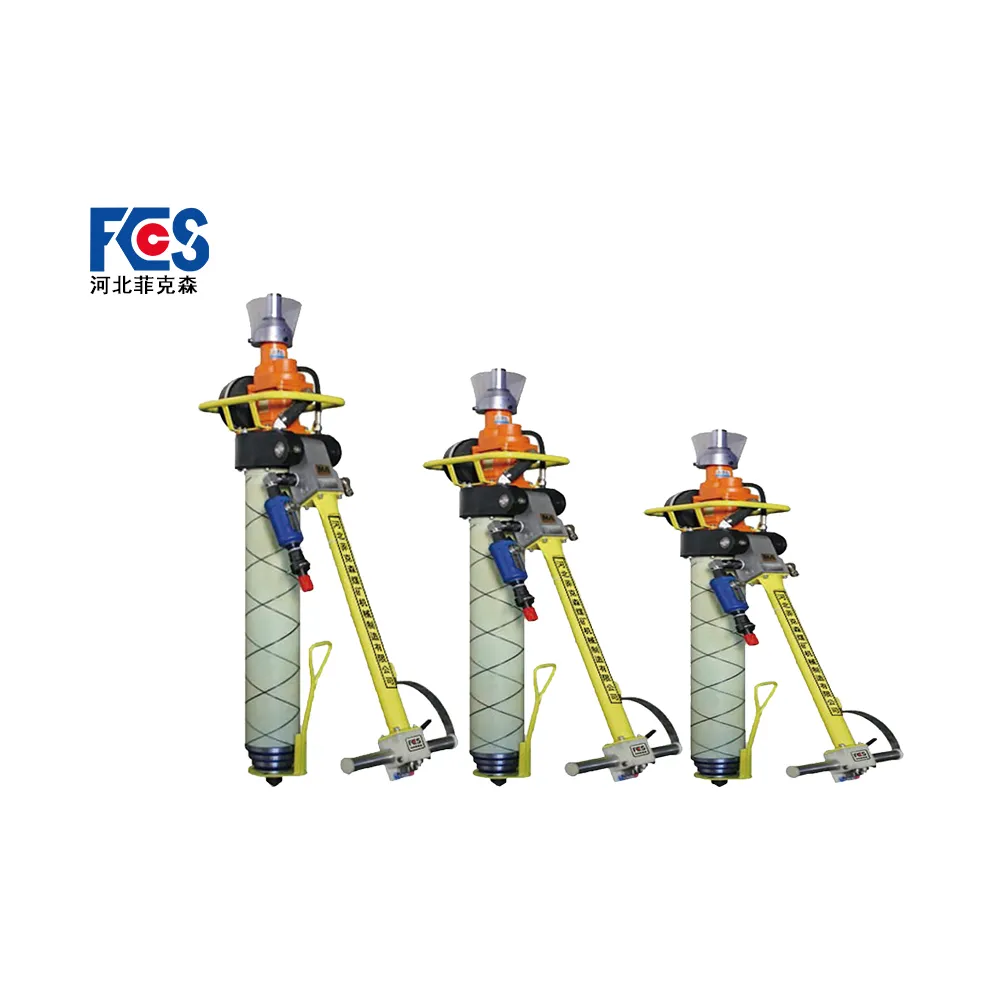
Application Case Studies and Customer Successes
Real-world application demonstrates the true capability and value of a pneumatic crawler drill. Our experience spanning over two decades in the drilling equipment sector has allowed us to partner with leading enterprises across various industries, delivering proven results.
Case Study 1: Large-Scale Quarrying Operation
- Client: A prominent aggregates producer in Southeast Asia.
- Challenge: Increase daily rock extraction by 25% while reducing drilling costs per meter in hard granite formations. Existing hydraulic rigs faced frequent breakdowns due to dust and vibration.
- Solution: Deployed a fleet of customized Bolting Rigs (our advanced pneumatic crawler drill models) featuring enhanced dust suppression systems and high-impact pneumatic hammers.
- Results: Achieved a 30% increase in drilling speed and a 15% reduction in overall operational costs within the first year. The simpler pneumatic systems experienced significantly fewer dust-related maintenance issues, leading to 95% operational uptime. Customer feedback highlighted the "unmatched reliability and ease of field maintenance."
Case Study 2: Infrastructure Development in Mountainous Terrain
- Client: A national civil engineering contractor for a new highway project through a mountainous region.
- Challenge: Drilling anchor and blast holes on steep, unstable slopes with limited access, requiring high gradeability and precise angular drilling.
- Solution: Supplied specialized pneumatic crawler drills with enhanced crawler traction, extended boom articulation, and operator-friendly controls for difficult angles.
- Results: The project progressed ahead of schedule, with the rigs demonstrating exceptional stability on 28° inclines and consistently achieving accurate drilling depths. The robust construction minimized downtime despite challenging ground conditions.
These cases exemplify our commitment to delivering high-performance, reliable drilling solutions that empower our clients to achieve their most ambitious project goals.
Trustworthiness and Support: FAQs, Lead Times, Warranty, and Customer Service
Building lasting relationships with B2B clients is founded on transparency, reliability, and unwavering support. We prioritize providing comprehensive information and robust post-sales services for every pneumatic crawler drill we deliver.
Frequently Asked Questions (FAQs)
- Q: What is the typical lead time for a new pneumatic crawler drill?
A: Standard models typically have a lead time of 4-6 weeks from order confirmation. Customized configurations may extend to 8-12 weeks, depending on the complexity. - Q: What warranty coverage is provided?
A: All our drilling rigs come with a standard 12-month or 2000-hour (whichever comes first) warranty on major components, covering manufacturing defects. Extended warranty options are available upon request. - Q: How does your company ensure spare parts availability?
A: We maintain a comprehensive inventory of critical spare parts at our main distribution centers. For urgent requirements, we offer expedited shipping options. Our global network ensures efficient delivery. - Q: Can you provide training for our operators and maintenance staff?
A: Yes, we offer on-site and remote training programs tailored to your team's needs, covering operation, routine maintenance, and basic troubleshooting to maximize equipment lifespan and efficiency. - Q: What kind of technical support is available post-purchase?
A: Our dedicated technical support team is available via phone, email, and live chat during business hours. For complex issues, we can arrange for expert field service engineers to provide on-site assistance globally.
Lead Time and Fulfillment
Our streamlined manufacturing and logistics processes are designed for efficiency. Upon order confirmation, detailed timelines are provided, and regular updates ensure transparency throughout the fulfillment process. We leverage established shipping partners for reliable global delivery.
Warranty Commitments
Our warranty program reflects our confidence in the quality and durability of our Bolting Rigs. We stand by our products, ensuring that any manufacturing defects are addressed promptly and effectively, minimizing disruption to your operations.
Customer Support Information
Our commitment extends beyond the sale. We offer comprehensive customer support including:
- 24/7 online technical resources and documentation.
- Dedicated account managers for strategic partnerships.
- Proactive maintenance recommendations and service alerts.
Conclusion
The pneumatic crawler drill stands as a testament to robust engineering and operational efficiency in the demanding field of rock drilling. Its blend of power, reliability, and adaptability makes it an invaluable asset for industries ranging from mining and quarrying to civil engineering and infrastructure development. By prioritizing advanced manufacturing processes, adherence to international standards, and comprehensive customer support, leading manufacturers continue to evolve these machines, ensuring they remain at the forefront of drilling technology. Investing in a high-quality pneumatic crawler drill is an investment in long-term productivity, reduced operational costs, and enhanced project success.
References:
- ISO. (n.d.). ISO 9001: Quality management systems. International Organization for Standardization.
- ANSI. (n.d.). Standards & Accreditations. American National Standards Institute.
- Mining Technology. (2023). The latest trends in mining drilling equipment.
- Construction Week Online. (2022). Advances in rock drilling for infrastructure projects.