



Coal Mining Drill Bits - Carbide, High Wear, Fast Drilling
Coal Mining Drill Bits: field notes from the heading face
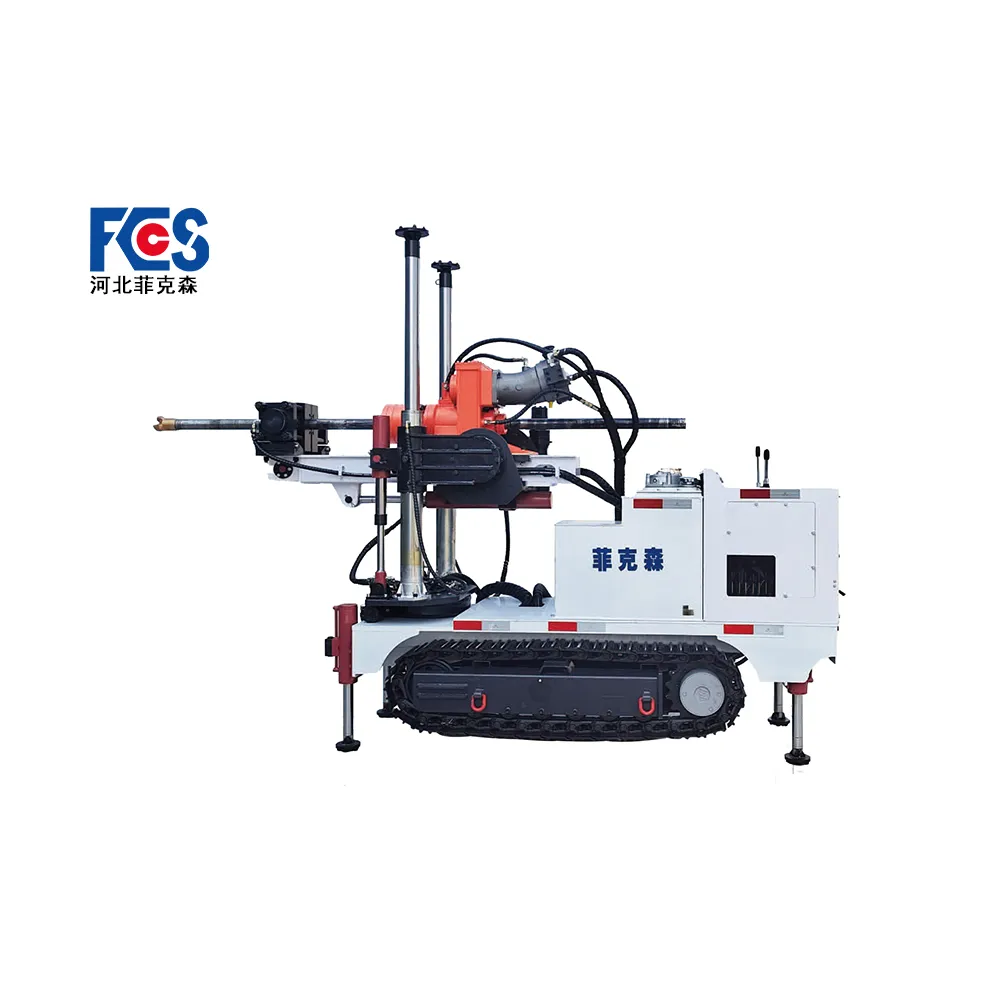
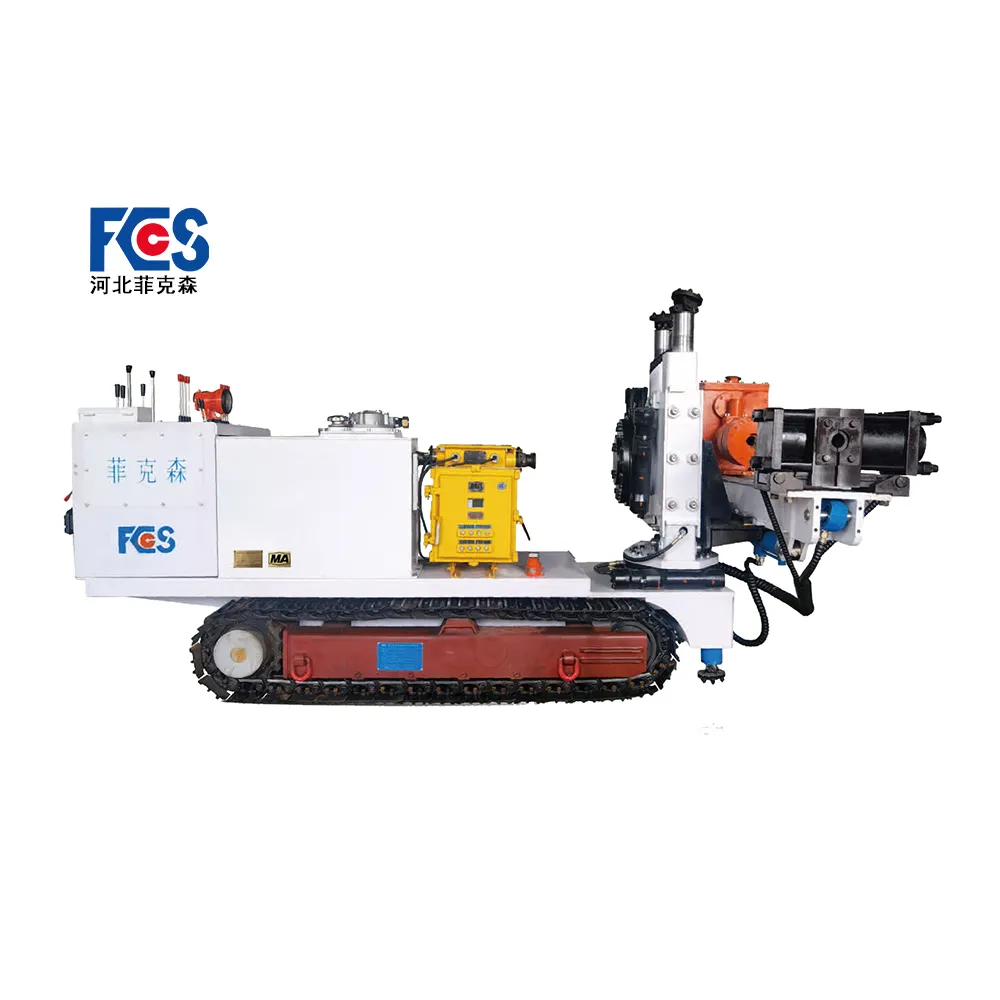
When crews ask what really moves the needle underground, I usually point at the humble cutting edge. And yes, by that I mean Coal Mining Drill Bits paired to a capable crawler rig. The latest I’ve been tracking is “A New Generation Of Drilling Rigs,” a crawler full-hydraulic unit built in the Shijiazhuang High-tech Industrial Development Zone, Hebei Province—made for water/gas exploration, fault detection, roof bolting pre-injection, and intensive drilling in soft rock or coal seams.
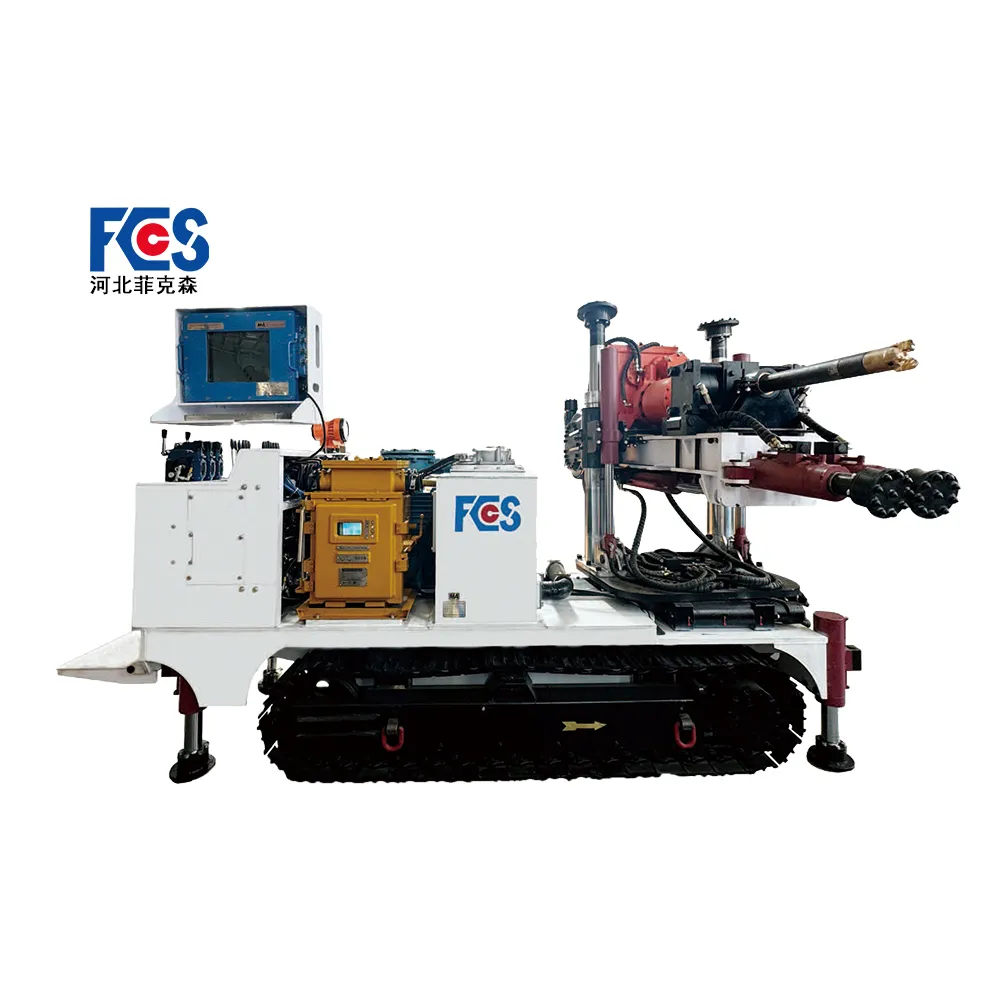
Trends I’m seeing underground
The market’s moving fast: higher-power hydraulics, finer water sealing, and smarter bit geometries. Actually, the surprise isn’t horsepower—it’s metallurgy. Many customers say the latest HIP-treated carbide inserts and improved brazing are adding 20–35% life in coal measures with abrasive bands. Meanwhile, safety dictates sealed systems compatible with gas management and water injection—an area where this crawler rig and its Coal Mining Drill Bits assortments have leaned into ATEX/MA compliance.
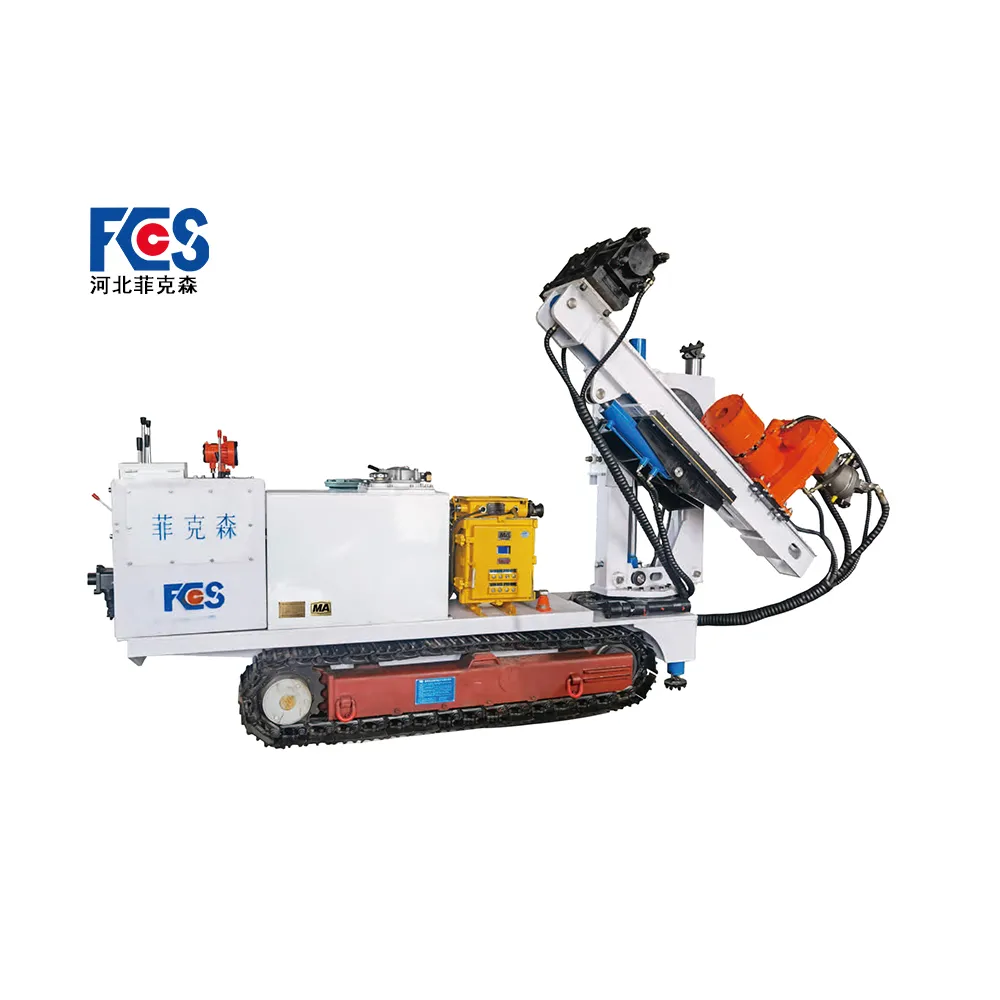
Where the bits meet the seam
Application scenarios include pre-drainage of gas, boreholes for water exploration, advance probe drilling ahead of the face, and fault-line confirmation. In soft rock or laminated coal, conical carbide buttons with aggressive rake angles bite well; for mixed coal–sandstone, I prefer dual-gauge protection and slightly blunter noses to resist chipping. The rig’s full-hydraulic feed helps stabilize torque spikes that usually chip Coal Mining Drill Bits prematurely.
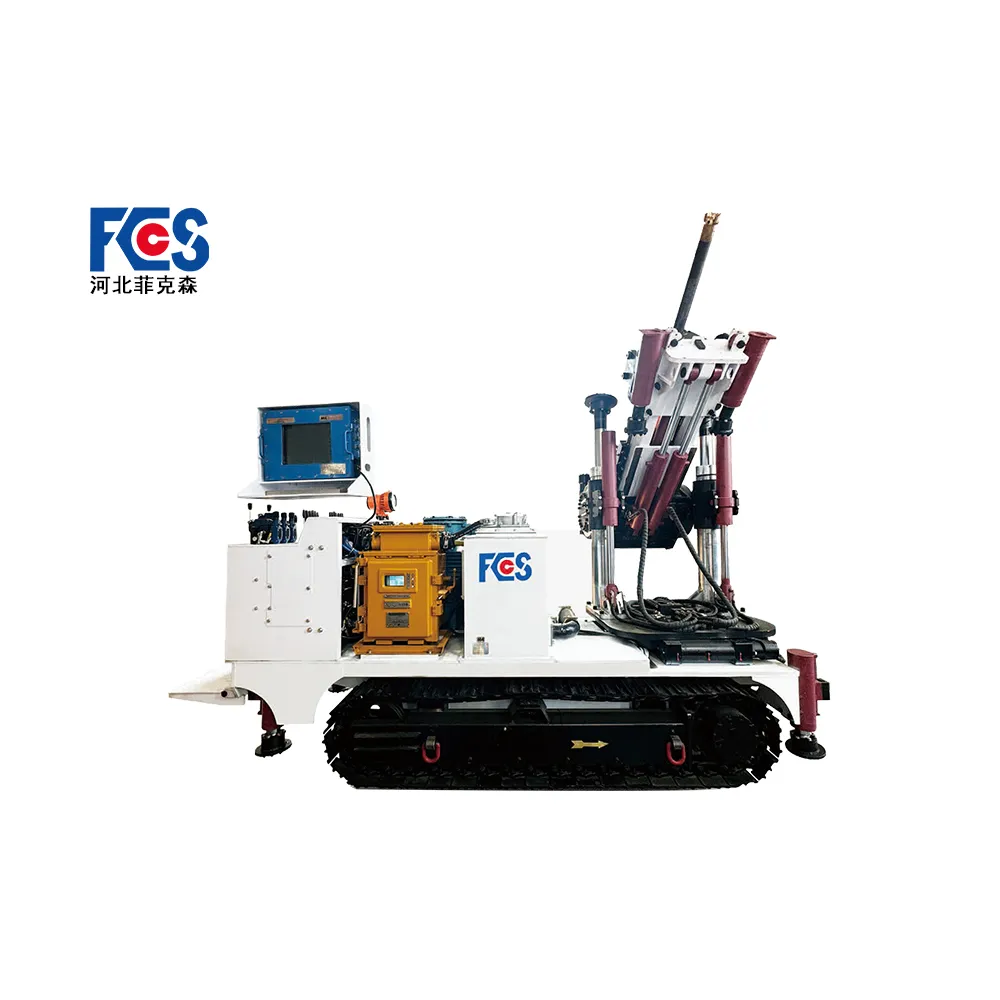
Product specs (indicative, real-world use may vary)
| Bit Type | Diameter (mm) | Carbide Grade | Head Design | Tip Angle | Shank/Connection | Rec. RPM |
|---|---|---|---|---|---|---|
| Conical carbide button | Φ28–Φ76 | WC-Co, ISO K20–K30 (HIP) | Single/dual gauge pads | ≈55–70° | R32/R38/T38; API-style on request | 300–650 |
| Cross/Flushing bit | Φ42–Φ89 | WC-Co, ISO K25–K35 | 4-flute, high-flow ports | ≈60° | T45/T51 | 220–480 |
Materials: tungsten carbide buttons (HIP-treated), 42CrMo body, silver-based vacuum brazing, optional HVOF/TiAlN wear surfacing. Service life: around 350–800 m drilled in coal seams with occasional grit; up to 1,000 m in clean soft coal (operator technique matters, to be honest).
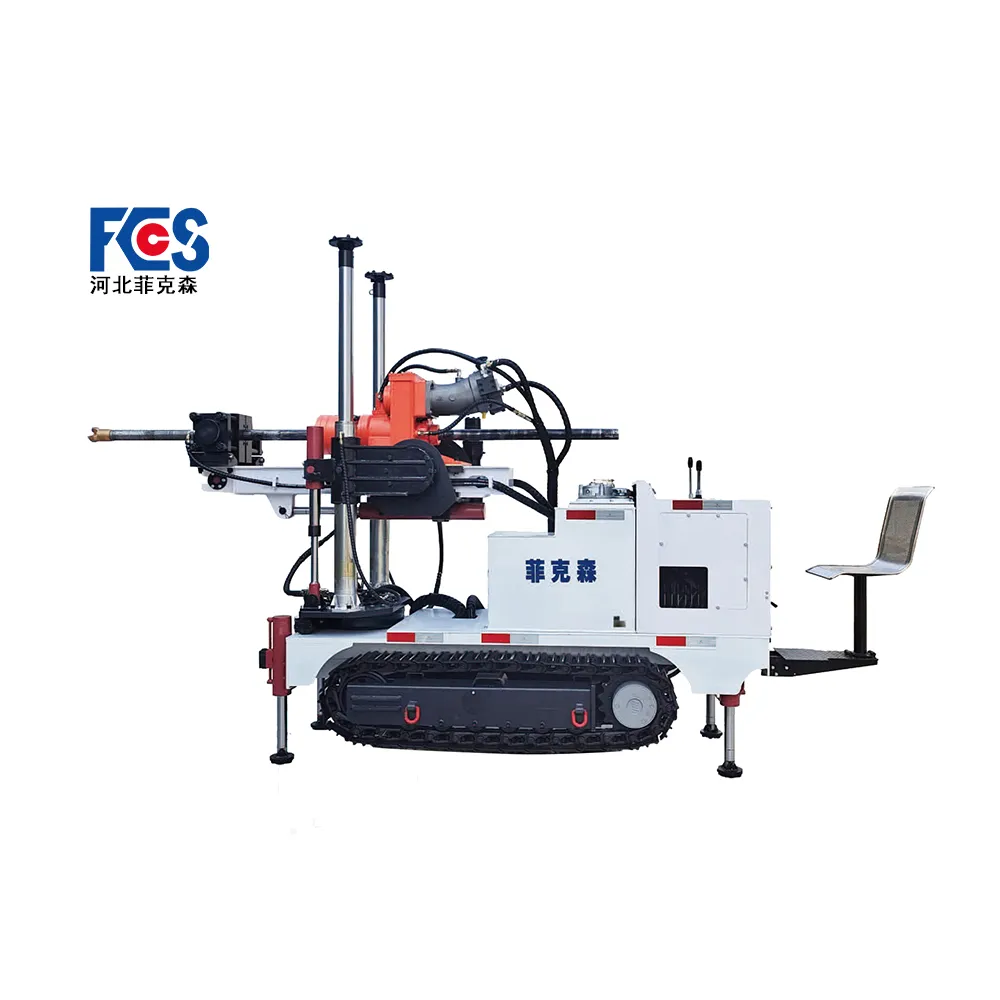
Process flow and testing
-
- Powder metallurgy for carbide inserts → HIP sintering → ultrasonic inspection
- CNC forging/machining of bodies (42CrMo) → stress relief → vacuum brazing of inserts
- Port drilling for water/gas sealing → pressure test to ≈1.5× operating pressure
- Hardness and toughness checks: HRC 35–42 body; carbide HV30 per grade
- Balance/rotor quality per ISO 21940 guidelines; safety interlocks align with EN 16228 on the rig side
Certifications often requested: ISO 9001, CE, ATEX/MA marking compatibility for the underground environment. Test data I’ve seen: in siltstone bands (σc ≈ 80–110 MPa), penetration rate 0.8–1.2 m/min; bit wear land ≤0.6 mm after 250 m when flushing is maintained.
Vendor snapshot (quick comparison)
| Vendor | Carbide/Brazing | Hardfacing | Certs | Lead Time | Customization | After-sales |
|---|---|---|---|---|---|---|
| FCCS Drilling (Hebei) | HIP WC-Co; vacuum brazed | HVOF/TiAlN optional | ISO9001, CE; ATEX/MA-ready | 10–20 days | High (diameter, ports, shank) | On-site training with rig |
| Vendor B (EU) | Premium WC; induction brazed | Carbide gauge pads | ISO/CE/ATEX | 3–5 weeks | Medium | Remote support |
| Vendor C (Global) | Standard WC; torch brazed | None/limited | ISO9001 | 2–6 weeks | Low | Email only |
Case notes from the face
In a North China coal district, a crew swapped to the FCCS crawler and matched Coal Mining Drill Bits with dual-gauge pads. Penetration held steady at ≈1.0 m/min through mixed coal/siltstone, and average bit life rose from ~420 m to ~610 m per bit. Operators credited cleaner flushing ports and steadier hydraulic feed—nothing fancy, just consistent.
Customization and how to spec properly
My advice: send your seam log and water/gas plan. Ask for bit geometry tweaks (tip angle, gauge protection), port sizing for water injection, and shank compatibility (R32–T51 or API). For explosive-risk headings, confirm ATEX/MA alignment on both rig and tooling. And don’t skip hardness and brazing certificates—ASTM E18 hardness data and brazing records save headaches later.
Final thought—spec sheets are great, but listening to the drillers is better. If they say the bit “rides smooth,” that’s your early sign the metal and hydraulics are in tune.
Authoritative citations
- EN 16228-1: Drilling and foundation equipment — Safety.
- ASTM E18: Standard Test Methods for Rockwell Hardness of Metallic Materials.
- ISO 21940 series: Mechanical vibration — Rotor balancing.
- ATEX Directive 2014/34/EU: Equipment for potentially explosive atmospheres.